FIRST CHECKED · MAY 15, 2026CHECKED 1 · VIEWED 246
UPLOADVIEW ORIGINAL POST →
MOSTLY FALSE
There is real research on making kidneys more ABO-compatible, including enzymatic work and early human testing, but not a proven universal artificial kidney that works with any blood type. The post greatly overstates the maturity and scope of the science.
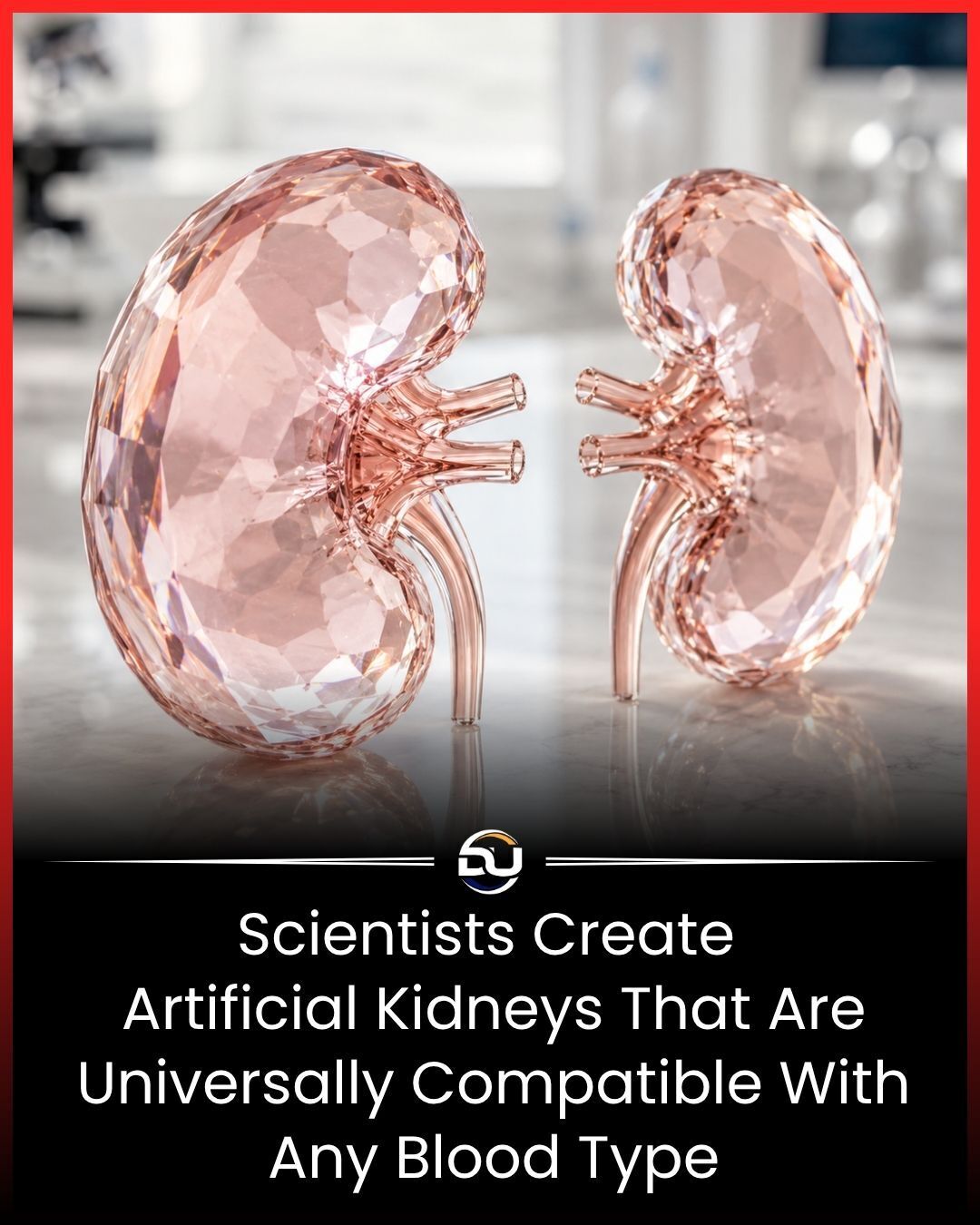
The image is a generic concept-style medical graphic, not evidence of a real device. The check relies on publicly available research and transplant guidance; if the post is referring to a very recent unpublished study, that would need separate verification.
[c] MOSTLY_FALSE — There’s promising research on making kidneys more blood-type compatible, but no evidence yet of a universally compatible artificial kidney in routine use. The post overstates early experimental work as a finished breakthrough. [perclaim.com/v/ck_c0i8lkzo]
THE POST
A groundbreaking innovation in kidney transplantation could save millions of lives. Scientists achieved a monumental breakthrough by creating universal artificial kidneys that are compatible with any blood type. This revolutionary development promises to completel…
IMAGE 1Promotional medical-style graphic with a kidney illustration and large headline text.READ CLEARLY
TEXT IN IMAGE
“Scientists Create Artificial Kidneys That Are Universally Compatible With Any Blood Type”
VISUAL CONTENT
Two pink, faceted kidney-shaped objects are shown facing each other on a reflective surface in a blurred laboratory-like setting. The design looks like a stock or concept image rather than a real device photo.
Scientists have created artificial kidneys that are universally compatible with any blood type.
Publicly available research supports early progress on reducing blood-type barriers, including enzymatic conversion experiments and a first human transplant of a modified kidney. But that is not the same as a demonstrated, universally compatible artificial kidney available for any blood type.
PubMedNIDDK02MOSTLY FALSE
- 01First human transplant of kidney modified to have 'universal' blood type
- 02Enzymatic conversion of human blood group A kidneys to universal blood group O
- 03NIDDKniddk.nih.gov →Kidney Failure
- 04ABO-Incompatible Kidney Transplant Outcomes: A Meta-Analysis
WAS THIS POST ON YOUR FEED?
Perclaim checked this one. Run the next one yourself.
Paste any Facebook, X, Threads, or Instagram post and get a sourced verdict like the one above — claim by claim, with the receipts.
FOREVER FREE · SOURCED VERDICTS · SHAREABLE VERDICT PERMALINKSCHECK POSTS RIGHT ON YOUR FEED — ADD PERCLAIM TO CHROME, EDGE, BRAVE & MORE · SOON
AI-Generated · Not Journalism · Accuracy Not Guaranteed · Verify The Cited Sources
Verdicts are produced by an AI language model. Models can miss context, misread sarcasm, or be confidently wrong. The cited sources are authoritative — verify before relying on the conclusion.
HAVE A PERCLAIM LINK?